
In facilities where health and safety are essential, such as hospitals, aged care, corporate offices, and public buildings, the way drinking water is delivered can be as important as the water itself. Improperly designed or poorly maintained systems can quietly harbour conditions suitable for the growth of Legionella bacteria. This pathogen thrives in warm, stagnant environments and has been linked to serious outbreaks, including recent cases in Victoria (ABC News) and New South Wales (NSW Health).
Billi have spent more than 30 years leading the way in instant filtered water innovation. Manufactured in Melbourne, our underbench systems offer boiling, chilled, sparkling, and still filtered water, but what sets us apart is our holistic approach to water safety. Through advanced water-cooled technology, certified manufacturing, and in-use hygiene protocols, Billi systems are built to help reduce the risk of Legionella from day one.
Learn how our design and process decisions offer health-first water delivery that supports compliance, efficiency, and peace of mind for high-responsibility environments.
Growing concern for commercial and care-based settings
In August 2024, an outbreak in Victoria saw over 80 confirmed cases and four fatalities (ABC News). By March 2025, New South Wales recorded 12 more infections, including one death (NSW Health). These events have reinforced the risks posed by seemingly low-contact building systems like water coolers and boiling water units.
Workplaces, hospitals, aged care facilities and schools, all of which serve vulnerable populations, must approach drinking water systems as potential sources of harm unless designed and maintained to reduce waterborne pathogens.
Hygiene begins before installation with factory-level protection
All Billi units are manufactured in Melbourne, where strict hygiene protocols form part of the assembly and testing process. Every system is flushed with UVC-treated water and then purged with nitrogen gas, drying the interior completely and sanitising it prior to shipment. This uncommon step means no residual moisture remains in the system, significantly lowering the chance of microbial growth before installation.
This attention to detail at the manufacturing stage reflects our understanding that prevention starts with production, not just maintenance.
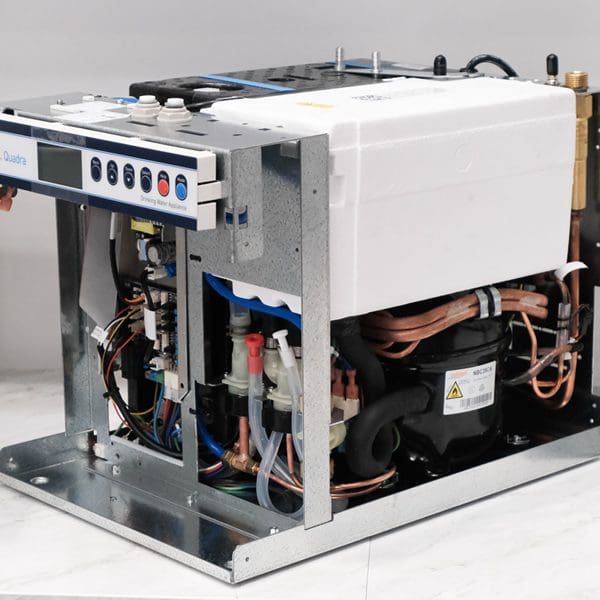
Maintenance matters: BilliCare service and filter plans
Even with world-class design, ongoing care is essential to safeguard against Legionella. Our BilliCare Gold and Silver Service Plans provide routine servicing and genuine Billi filter replacements, carried out by accredited technicians. Filters include a digital lockout feature that prevents reused or unauthorised components, preserving the integrity of the system and protecting water quality.
For high-risk environments like hospitals and aged care centres, the combination of smart servicing and engineered hygiene features offers unmatched peace of mind. Discover the additional Features & Benefits of Billi systems.
Choose a system built with safety at its core
Protecting your site from Legionella isn’t about fixing problems after they occur. It’s about choosing a system that’s designed to prevent them. Billi’s approach to water safety is across every phase, from design and manufacturing to installation and daily operation.
Unlike many systems that address hygiene through add-ons or workarounds, Billi’s water-cooled units and servicing plans form an integrated defence against microbial risk. And because we control our manufacturing here in Australia, we’re able to maintain quality, compliance, and responsiveness in ways that imported systems simply can’t match.
Whether you’re designing a new facility or upgrading an existing one, now is the time to think beyond convenience, and toward long-term responsibility.
Contact the experts at Billi for specification support or system guidance.
Or View our Range of water-cooled, underbench systems suitable for high-risk environments.
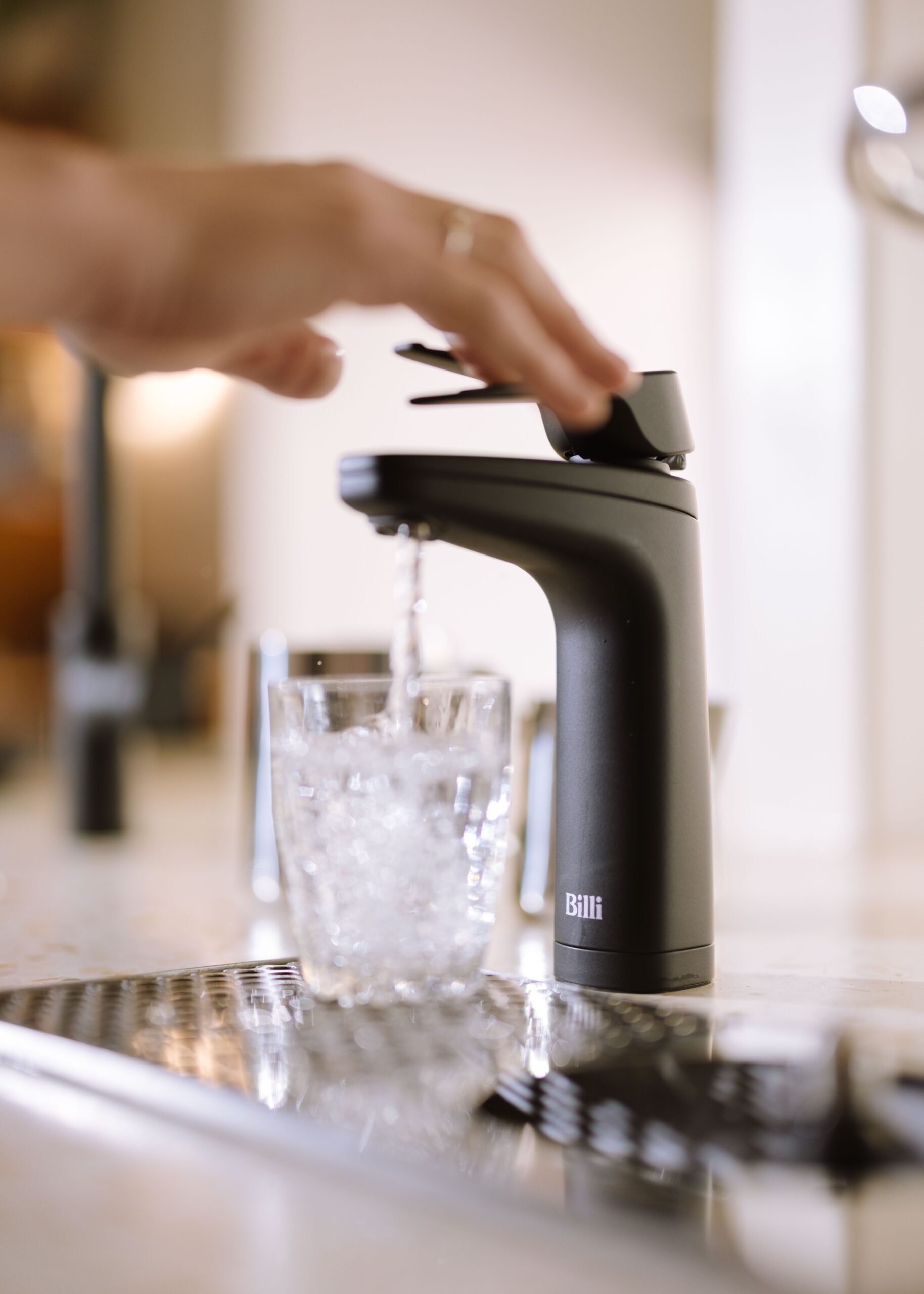
Recent outbreaks of Legionella in Victoria (ABC News) and New South Wales (NSW Health) have brought this disease back into focus. In August 2024, Victoria recorded more than 80 confirmed cases of Legionnaires’ disease, resulting in four deaths. Just months later, a separate outbreak occurred in the Sydney CBD resulting in 12 cases and one death. These incidents are a reminder that how we manage our water systems matters.
Furthermore, the water systems in hospitals, aged care facilities, or commercial buildings can have more consequences if exposed to Legionella. The question is no longer if Legionella is a risk, it’s how we’re actively preventing it. This is where Billi stands apart from other instant water filtration systems.
Hidden Risks in Conventional Water Systems
It’s easy to assume that a filtered system automatically ensures safety. But the reality is, not all technologies are created equal, especially when it comes to bacterial threats like Legionella. The issue isn’t only about filtration, it’s about how the system is designed to manage heat, flow, and hygiene.
Air-cooled water systems, commonly found in older or lower-spec systems, often sit enclosed in cabinetry, relying on internal fans to manage temperature. These designs can allow heat to build up inside the cupboard, creating warm, stagnant environments which is ideal for bacterial growth. When water doesn’t move, Legionella can thrive.
Billi systems are engineered to disrupt these conditions, by design.
Prevention Begins with Flow and Temperature Control
A key feature of our Legionella defence strategy is water-cooled technology. Unlike air-cooled units that rely on airflow and cabinetry cut-outs, Billi systems maintain constant water movement (under normal operating conditions). This circulation helps eliminate stagnation, one of the most critical risk factors for bacterial development.
Billi also integrates advanced heat exchange systems, reclaiming and repurposing waste heat rather than venting it into the cupboard. This keeps internal environments cool and dry, removing another key condition that Legionella and waterborne pathogens needs to grow.
And because Billi systems don’t require ventilation cut-outs or grilles, they’re easier to install and less disruptive to cabinetry, a significant plus for architects and builders.
Every part of the system is intentionally designed to prevent risk, not manage it after the fact. Learn more about all the Features & Benefits of Billi systems.

Built-In Protection Before and After Installation
Billi doesn’t leave hygiene to chance. Before any unit leaves our Melbourne manufacturing facility, it’s rigorously tested with UVC-treated water and nitrogen-flushed to remove any residual moisture, ensuring the system arrives dry, sterile, and ready for installation.
For critical settings, such as hospitals, aged care, or schools, Billi systems can be configured to automatically flush at regular intervals. This programmable feature ensures water moves through the system even during off-peak hours, minimising the risk of stagnation.
Ongoing Compliance with BilliCare Service Plans
Even the most robust systems benefit from regular maintenance. That’s why Billi offers a choice of service options designed to meet different site needs and operational budgets.
- The Gold Plan includes comprehensive maintenance and filter changes performed by Billi-accredited technicians.
- The Silver Plan focuses on scheduled filter replacements, providing an easy, low-cost solution for maintaining system hygiene.
- For sparkling systems, the Refillable CO2 Plan offers an environmentally conscious way to manage carbonation while reducing waste.
All BilliCare plans include genuine Billi parts, scheduled servicing, and access to our nationwide network of trained technicians. This is for convenience, ensuring your unit stays compliant, safe, and the system performs as it should.
Choose a System Designed to Protect from the Inside Out
Whether you’re managing an aged care facility, specifying for a new health precinct, upgrading office amenities, or a residential customer, one thing is clear: safe water starts with smart system design.
With over 30 years of expertise, every Billi system is engineered to deliver on performance, hygiene, and compliance, from the factory floor in Melbourne to the point of dispense in your building.
View our range to explore hygienic, efficient systems for your kitchen, or contact our team to discuss site-specific safety solutions.
Because when it comes to water safety, there’s no such thing as being too careful, only too late.
